
Choosing an oil filter looks simple until you see dozens of filters with similar shapes, sizes and cross-reference numbers. A filter may look correct, and even have a matching thread or cross reference, but that does not automatically mean it is right for the application.
For distributors, fleet buyers and replacement-parts buyers, reliable oil filter selection begins with application and specification verification—not appearance or price alone.
1. Start with the OEM or part number
The OEM number or the number on the existing filter is usually the strongest starting point. Check it against reliable cross references and confirm the vehicle, engine or equipment application.
A cross reference is useful for identification, but it does not automatically prove interchangeability in every application. Always verify the application before ordering.
2. Confirm the application
Oil filters that look similar can be intended for different engines or equipment. Useful application information includes:
- Vehicle or equipment brand and model.
- Engine model.
- Model year, where relevant.
- The number printed on the existing filter.
If the application is uncertain, send the information from the existing filter and equipment before placing an order.
3. Check the dimensions
Dimensions help verify a possible match. Depending on the filter design, useful measurements may include:
- Outer diameter.
- Overall height.
- Thread size.
- Gasket dimensions.
- Inner diameter for a cartridge element.
Dimensions are a verification tool, not proof by themselves. Filters with similar external dimensions can still differ in their internal construction or intended application.
4. Identify the filter type
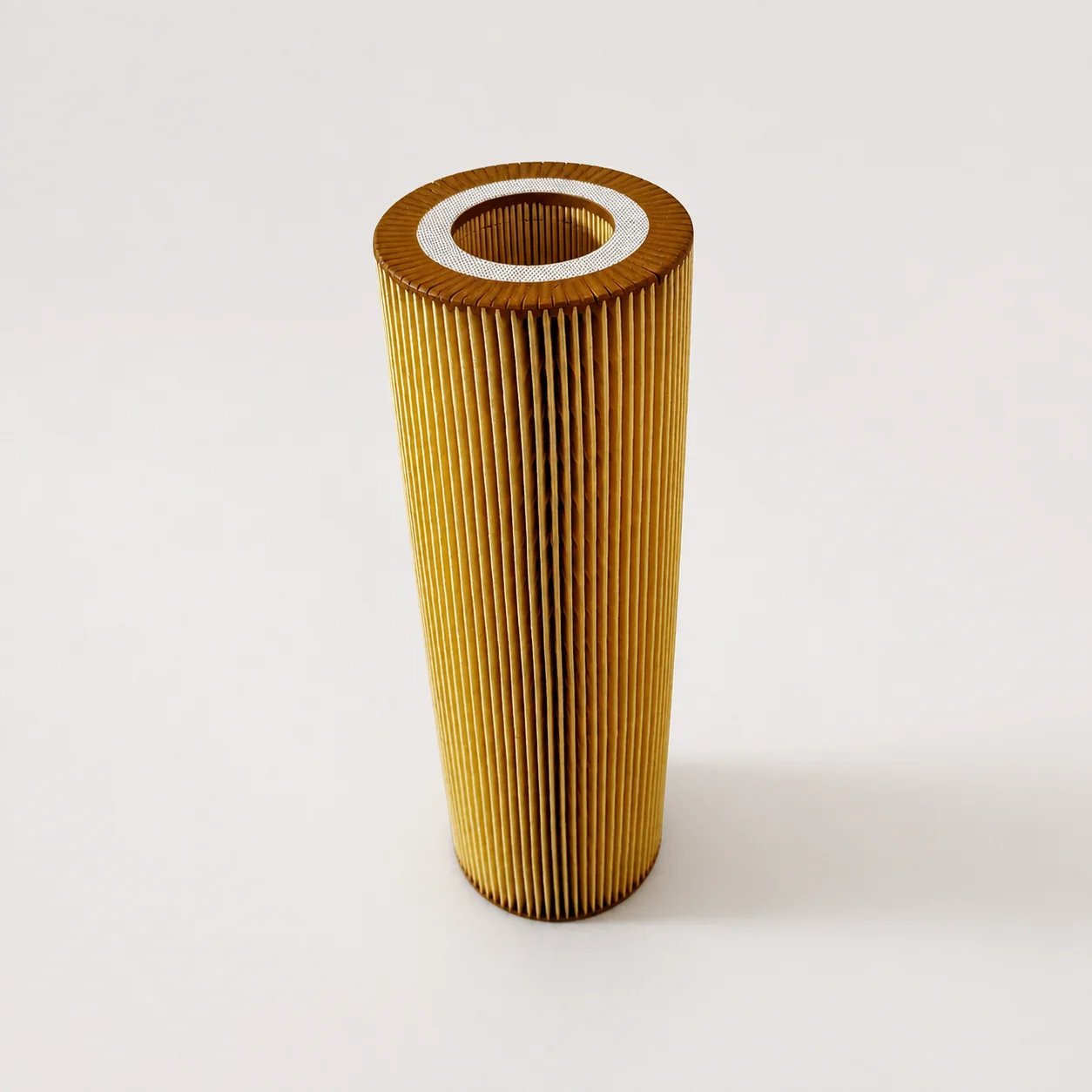
A spin-on oil filter combines the housing and filter element in one replaceable unit. A cartridge or eco-style oil filter replaces the filter element while retaining the serviceable housing.
Identify the correct construction before comparing products. You can view a current cartridge example on our HU1077/2X oil filter page.
5. Do not judge only by price
Visually similar oil filters may differ in filter media, construction, sealing components and other internal features. The important question is whether the filter is correctly specified for the application and target market.
An incorrectly identified filter can create returns, complaints and unnecessary downtime, even when the purchase price appears attractive.
6. Tell the supplier where the filter will be sold or used
Different buyers need different information. A distributor may need cross-reference coverage, packaging and range support. A fleet buyer may focus on application verification and supply consistency. A private-label buyer may also need packaging and labeling details.
Clear buyer context helps the supplier check the right product and prepare a more useful quotation.
7. Verify before a large order
Before committing to volume, use the evidence available for the product and order. Depending on the situation, this can include:
- Technical and application information.
- Confirmed dimensions.
- Comparison with the existing filter.
- Clear product and label photos.
- A sample or suitable testing when needed.
Oil filter buyer checklist
- OEM or existing part number.
- Vehicle, engine or equipment application.
- Dimensions and thread size.
- Spin-on or cartridge construction.
- Verified cross reference.
- Target market requirements.
- Any uncertainty checked before ordering.
Final selection rule
The part number, application, dimensions and construction should all point to the same product. If one of these does not match, pause and verify it before ordering.
To start a product check, provide the OEM or existing reference, the vehicle or engine application, and any available dimensions. You can search the current filter range, browse replacement filters, or send an RFQ with the details you already have.
Verify first. Order second.